

Positivism #
Positivism is a philosophical and cultural movement born in France in the first half of the 19th century (around 1830-1870). It expresses an absolute faith in science, reason and progress: only what can be observed, measured and verified scientifically is considered true.

📝 In short: Positivists believed that science could explain everything and solve all humanity’s problems. If you can’t measure it, it doesn’t exist.
1. Historical Context #
Positivism was born during the Second Industrial Revolution: machines, steam engines, railways and electricity were transforming society. People believed that technology and science would lead to unlimited progress.

2. Main Ideas #
- Only science provides true knowledge: philosophy, religion, and metaphysics are unreliable
- The scientific method applies to everything: even society, psychology and history can be studied scientifically
- Progress is inevitable: science and technology will continuously improve humanity’s condition
- Facts over opinions: only observable, measurable data matters
3. Key Figures #
Auguste Comte (1798-1857) #
The founder of Positivism. He proposed the Law of Three Stages: human thought evolves through three phases:
- Theological: phenomena are explained through gods and the supernatural
- Metaphysical: abstract concepts replace gods (e.g., “nature,” “forces”)
- Positive (Scientific): only observation and experiment matter
He also invented the word “sociology” — the scientific study of society.
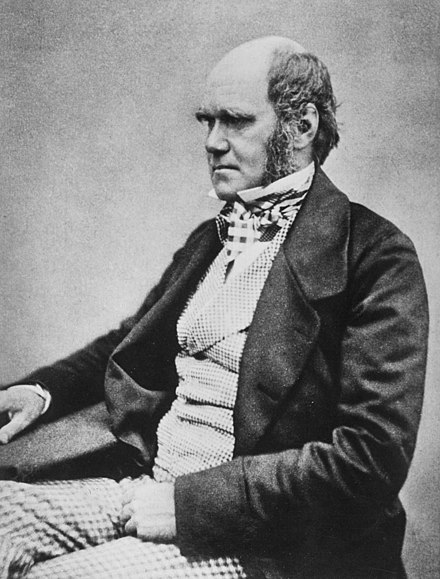
Charles Darwin (1809-1882) #
Published On the Origin of Species (1859): living beings evolve through natural selection — the strongest and most adaptable survive. This theory revolutionized biology and influenced all positivist culture.
Karl Marx (1818-1883) #
Applied the scientific method to the study of society and economics. His theory of historical materialism analyzes class struggle as the engine of history.
Herbert Spencer (1820-1903) #
Applied Darwin’s theory of evolution to society (Social Darwinism): human societies also evolve, and the strongest prevail. This theory was later used to justify colonialism and social inequality.
4. Positivism and Literature #
Positivism profoundly influenced literature: if reality must be studied scientifically, then literature must describe reality objectively, without idealization. From this idea two literary movements were born:
- French Naturalism (Zola)
- Italian Verismo (Verga)
Conclusion #
Positivism was the dominant philosophy of the late 19th century. Its faith in science and progress led to extraordinary discoveries and social changes. However, its limitations (ignoring emotions, subjectivity, and the irrational) would be challenged by Decadentism and the cultural crisis of the early 20th century.
Reply by Email