

Culture Between the Two World Wars #
The period between WWI (1914-1918) and WWII (1939-1945) was an era of deep crisis for European culture. Three major currents of thought emerged: existentialism, Marxism and far-right ideologies.
1. Existentialism #
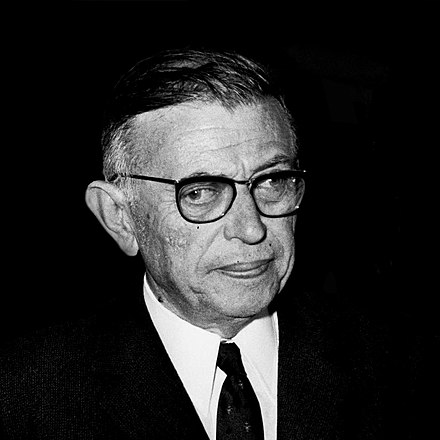
Humans are “thrown into the world” without a predetermined meaning. Freedom is an anguishing burden. Key figures: Kierkegaard, Heidegger, Sartre (“existence precedes essence”), Camus.
2. Marxism in the 20th Century #
Marx’s ideas continued to influence culture: the Russian Revolution (1917), Gramsci (cultural hegemony), Brecht (epic theater). Marxism became a lens for understanding culture, art and society.
3. Far-Right Ideology #
Born from post-WWI crisis: extreme nationalism, cult of the leader, rejection of democracy, violence as a political tool, racism. Key figures: Mussolini (Fascism), Hitler (Nazism), Franco.
4. Comparison #
| Existentialism | Marxism | Far Right | |
|---|---|---|---|
| Focus | The individual | Social classes | The nation/race |
| Solution | Individual choice | Social revolution | Strong leader |
| Freedom | Anguishing freedom | Collective liberation | Obedience to leader |
Conclusion #
The three currents reflect the crisis of an era: existentialism seeks individual meaning; Marxism wants to change society; the far right offers authoritarian certainties. Their clash defined the 20th century.
Reply by Email